


Promotional products in Mexico are having one of their strongest years yet, and two categories in particular are proving why they belong at the center of any point-of-sale strategy in 2026: sports backpacks and duffel bags, and plastic promotional cups. Both are hitting their stride precisely because the industry has moved past the generic giveaway and toward design, material, and real utility.
The industry is arriving at this year with a more demanding audience, and that works in favor of items that are genuinely well constructed. PPAI's research confirms that 78.7% of distributors report rising demand for better-designed, retail-style products, while 70.4% cite durability as the strongest signal of value (PPAI Research, 2026). Translated into practical terms: the consumer is ready to notice — and value — a well-made object, and that is exactly what a properly specified sports bag or a well-designed reusable cup can deliver.
Sustainability, far from being an obstacle, has become the ingredient that separates the best products on the shelf. 76% of consumers say sustainability influences whether they keep or use a product, and more than 62% prefer items made from recycled materials (PPAI Research, 2026). It's no coincidence that, among distributors already fielding sustainability requests, the categories where those requests concentrate most are bags (21.6%) and drinkware (17.6%) (PPAI Research, 2026) — precisely our two categories today. It's a clear signal of where the corporate buyer is heading, and an opportunity for brands that get ahead of it.
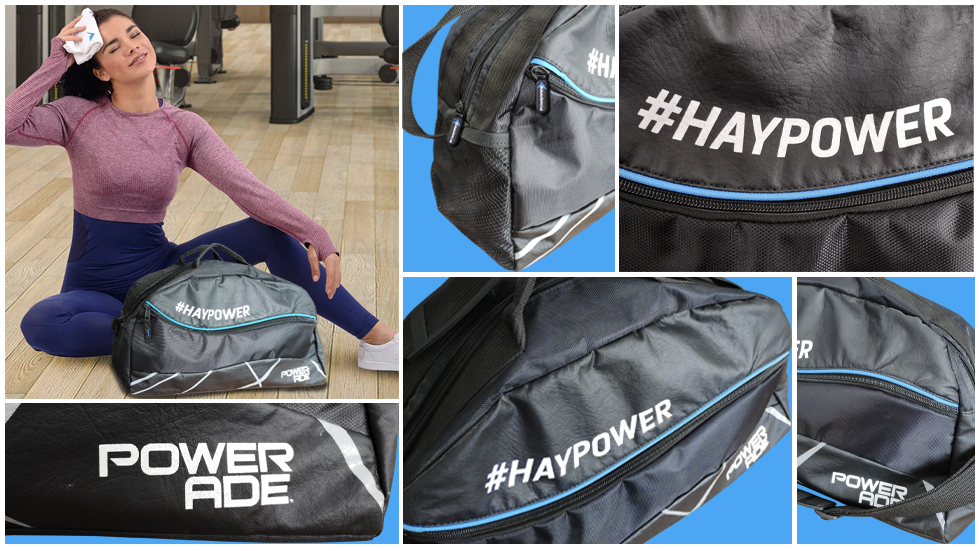
For years, the promotional backpack was the entry-level item that everyone ordered without much thought. That has changed. Retail-style design — reinforced zippers, compartments built for shoes and a towel, padded straps — has turned the sports duffel into one of the items with the longest useful life and the highest brand exposure in the entire catalog. On the 2026 show floor, Bamko's inspectors put it precisely: the line between promotional merchandise and retail is dissolving, and enterprise brands are succeeding in making the item "feel like a curated brand asset" that the recipient genuinely wants to keep (Bamko, 2026).
What we found and recommend without reservation:
The promotional cup is one of the most beloved staples of point-of-sale marketing in Mexico: the collectible Coca-Cola glass in every home, the stadium cup carrying a sponsor's logo. And in 2026 it's living a particularly good moment, because the category has reinvented itself with materials and designs that respond exactly to what consumers are asking for.
Two trends are driving this renewal. On one hand, environmental regulation in different markets — including extended producer responsibility laws such as Chile's Ley REP — is accelerating the adoption of cups with real reuse potential and an actual collection cycle (Álvarez Gómez, n.d.). On the other, consumers themselves reward that reusability: the best way to ensure a promotional cup keeps working for the brand long after the event is to design it so the shopper wants to keep it (Directo al Paladar, 2026).
What sets the best cups on today's menu apart:
The throughline for this 2026 edition is simple: both sports backpacks and plastic promotional cups are living their best moment, precisely because the industry left the generic item behind and bet on design, material, and real utility. Today, these are two of the categories with the greatest potential to earn a permanent place in the shopper's daily life, long after the promotion itself has ended. For any brand looking to invest in promotional products with genuine staying power, both categories deserve a prominent spot on the 2026 menu.
Know more about our promotional backpacks.
.png)